English Literature– category –
-

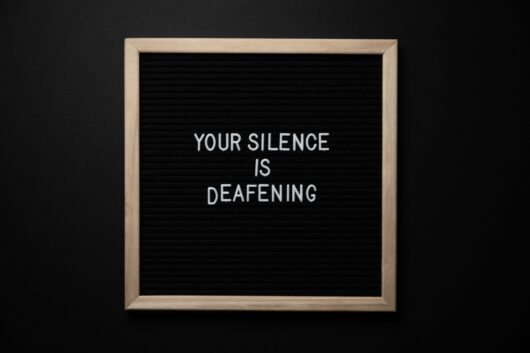
‘Euphemisms’ The Art of Gentle Language!
Watch this video to discover how and why we use euphemisms to soften our words. They help us communicate more politely and avoid sounding too harsh. At the same time, they can also add a touch of humour! -
‘Oxymoron’ – The Fun Paradox of Words!
You won’t be clearly confused once you understand what oxymoron means. It has nothing to do with the derogatory term ‘moron,’ which means stupid. So watch this video to learn what it’s really about. Tip! Include oxymoron on... -
‘Alliteration’ – The Secret Sauce of Poetry
Alluring alliteration amplifies artistic expression. Is she selling seashells on the seashore? None the wiser? Then watch this video to learn all about alliteration! Don't forget to add this to your figurative language chec... -
Metaphor vs Simile – What’s the Difference?
All similes are metaphors, but not all metaphors are similes. Knowing the difference is key to analyzing poetry and literature. This video explains the difference. -
‘Personification’ – More than Whispers of the Wind!
Personification is a common figurative device that frequently appears in assigned readings and exam passages. Watch this video and the narrative will embrace and enlighten you. -
‘Hyperbole’ – The Art of Exaggeration!
Hyperbole is a common form of figurative language and essential for English literature students to understand. You have probably come across examples of hyperbole a million times without realizing it. We spent ages making this video, so ... -
Pathetic Fallacy
The word "pathetic" in "pathetic fallacy" is misleading if you read it as "pitiful." It actually derives from Greek pathos, meaning "feeling" or "emotion." English literature students should learn this device; this video will explain how... -
‘Explicit vs Implicit’ – The Differences Explained!
In this video, we explore the key differences between explicit and implicit communication. Understanding these concepts will enhance both your comprehension and writing, especially in English literature! An important thing ... -
‘Rhetorical Questions’ Explained
Isn't it fascinating how a simple question can spark a thousand thoughts without requiring an answer? Such questions are incredibly useful in presentations and argumentative essays. Everyone appreciates helpful tips, don't they? Watch th...






1